If you have driven down a Texas highway recently, you have likely noticed a pattern: license plates from California, Illinois, New York, and Washington are becoming almost as common as the local ones.
It isn’t just your imagination.
Texas is currently experiencing one of the largest migrations in American history. People are trading cramped apartments for hill-country acreage and swapping state income tax for brisket and wide-open skies.
But moving to Texas is more than just a change of address; it is a complete cultural shift.
The state has its own economy, its own power grid, its own cuisine, and frankly, its own personality.
If you are packing your bags to join the thousands heading to the Lone Star State, you need to look past the stereotypes and understand what life here is actually like.
Here is the honest, on-the-ground reality of relocating to Texas.
The headline that drives most people here is simple: No State Income Tax.
Seeing your paycheck hit your bank account without that 5% to 13% deduction taken out is a euphoric feeling. It changes your monthly budget immediately. However, seasoned Texans know that the government still has to pay for roads and schools, and it does so through property taxes.
Texas has some of the highest property tax rates in the nation. If you are buying a home, you need to calculate this into your mortgage payment, because it can be a shock for new arrivals who assume a "low tax state" applies to everything.
The good news is that even with higher property taxes, the overall cost of living, especially for groceries, gas, and services, remains significantly lower than the national average. Your dollar simply stretches further here, allowing for a quality of life that feels increasingly out of reach on the coasts.
You cannot write a guide about Texas without addressing the elephant in the room: the summer.
New residents often say, "I can handle heat; I’ve lived in Florida/Arizona." But Texas heat is different. It is an endurance sport.
From June through September, the heat is relentless. We don't just have summer; we have "Pre-Summer," "Hell’s Front Porch," and "False Fall" (where it drops to 85° for a day before shooting back up to 99°).
But here is the secret locals know: you adapt.
You learn to embrace the mornings. You discover that air conditioning is not just a luxury; it is a life support system found in every home, store, and vehicle. And perhaps most importantly, you learn to appreciate the rest of the year.
While your friends up north are shoveling snow in February, you will likely be sitting on a patio in the Hill Country wearing a light sweater and sunglasses. The mild winters are the reward for surviving August.
The stereotype of Southern Hospitality is real, but in Texas, it manifests in a specific way. It’s not just politeness; it’s a genuine neighborliness that can catch newcomers off guard.
When you walk down the street in towns like Boerne or Kerrville, people will make eye contact and smile. If you are struggling to load a heavy box at the hardware store, a stranger will almost certainly stop to help you. Drivers in rural areas wave at each other as they pass on two-lane roads (usually just lifting two fingers off the steering wheel, the "farmer wave").
There is a deep sense of pride here. You will see the Texas flag flying just as high (if not higher) than the American flag. People are proud of their state, their history, and their land. The best way to integrate is to respect that pride.
Texans are incredibly welcoming to newcomers, provided those newcomers don't immediately try to change things to look like the place they just left. Approach your new home with curiosity rather than criticism, and you will be instantly adopted into the community.
Prepare your waistline, because the food culture in Texas is aggressive and incredible.
First, there is barbecue. This isn't hamburgers and hot dogs; this is smoked brisket, a culinary art form that people line up for at 7:00 AM. In the Hill Country, you are in the holy land of BBQ, with legendary pits in Lockhart, Austin, and San Antonio just a short drive away.
Then, there is Tex-Mex. It is important to understand that this is distinct from authentic Mexican food (though we have plenty of that, too). Tex-Mex is its own glorious category involving copious amounts of melted yellow cheese, chili gravy, and fluffy flour tortillas. Breakfast tacos are not a weekend treat; they are a daily staple, often purchased at gas stations with surprisingly excellent kitchens.
Finally, there is H-E-B.
To outsiders, it is a grocery store. To Texans, it is a beloved institution. When you move here, you will quickly develop a loyalty to H-E-B that borders on obsession. From their house-made tortillas to their disaster relief efforts, the store is woven into the fabric of daily life.
Texas is massive, larger than France, so "moving to Texas" can mean very different things depending on where you land.
Most transplants aim for the "Texas Triangle" (Dallas, Houston, San Antonio/Austin). However, the reality of living inside these mega-cities often involves gridlock traffic and endless concrete sprawl. This is why we are seeing a massive shift toward the Texas Hill Country.
Areas like Kerrville, Fredericksburg, and the northern edges of San Antonio offer the "sweet spot." You get the rolling hills, the limestone rivers, and the starry nights that make Texas beautiful, but you are still close enough to the city for shopping and healthcare.
It is the Texas you see in movies: rugged, green, and spacious. If you are moving here to escape the congestion of a coastal city, trading it for downtown Houston traffic might feel like a lateral move. Heading slightly west into the hills is where you truly find the peace you are likely looking for.
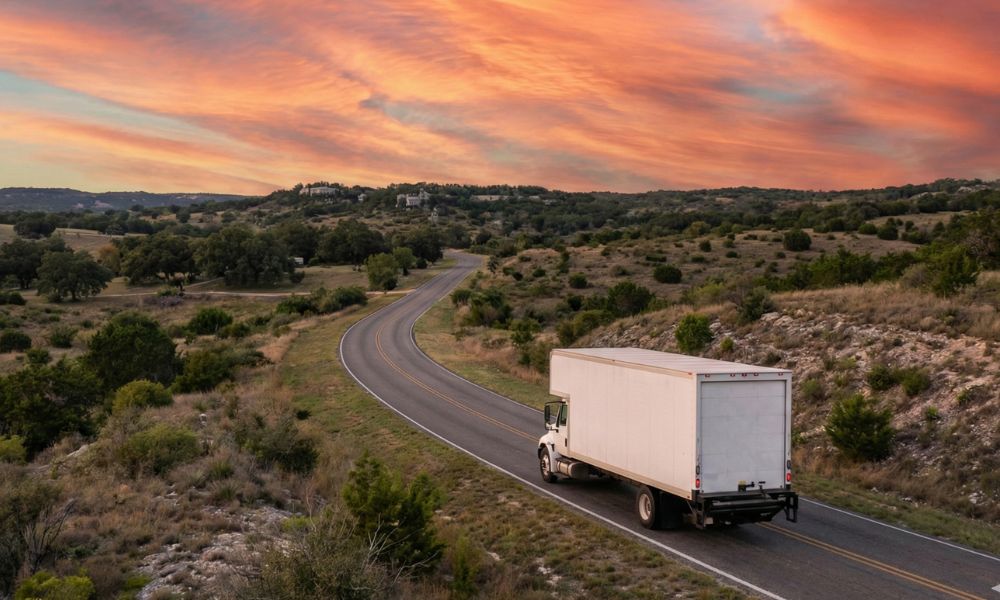
Finally, a note on the move itself. Relocating to Texas often means a long-distance move of 1,000 miles or more.
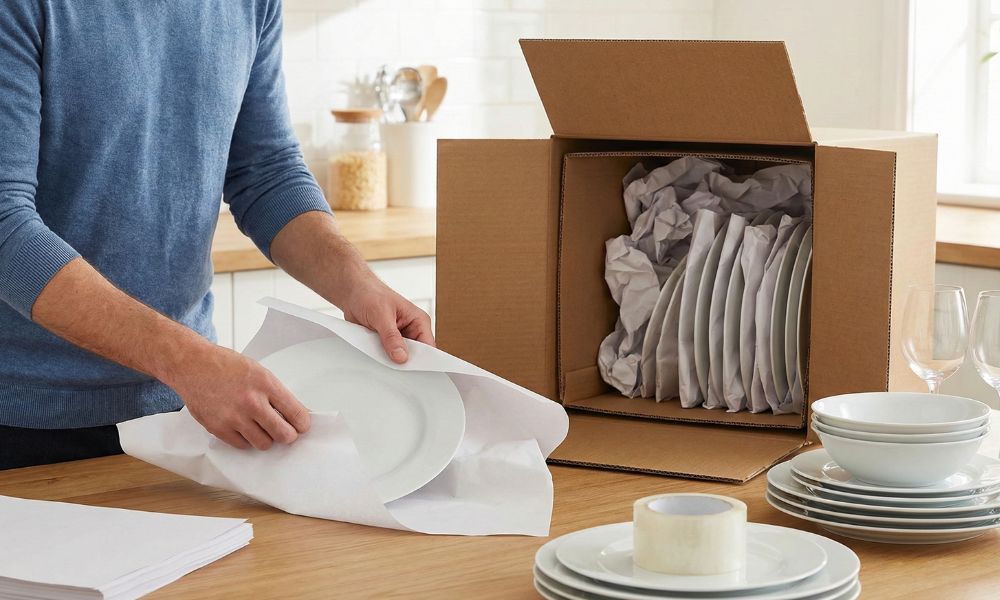
The sheer scale of the state surprises people. You can drive for 12 hours and still be in Texas. When planning your move, realize that the logistics are grueling. The summer heat can melt vinyl records left in a moving truck, and the sudden thunderstorms can drench cardboard boxes in minutes.
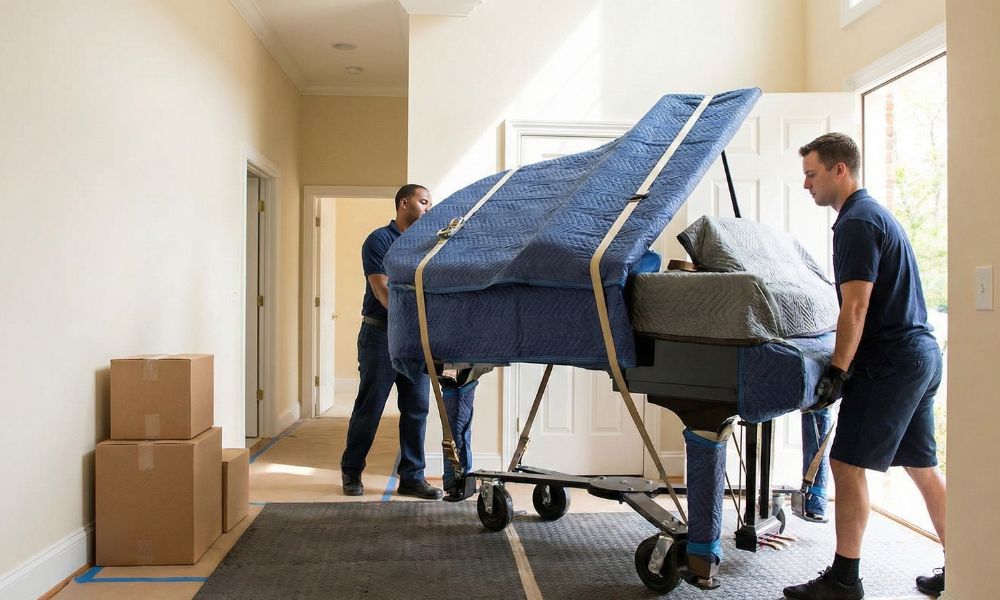
This is not the time to "wing it" with a rental truck and a few friends. You need a strategy. Whether you are coming for a corporate relocation or retirement, ensure you have a team that understands the terrain. Navigating a 26-foot truck up a steep, winding driveway in the Hill Country requires skill that generic movers often lack.
Moving to Texas is an adventure. It is a place that demands a lot from you, patience with the heat, respect for the land, but it gives back tenfold in community, freedom, and opportunity.
There is a reason people who move here rarely leave. Once you settle in, find your favorite taco spot, and watch your first sunset over the Guadalupe River, you’ll realize that despite the heat and the property taxes, you have found something special. You haven’t just moved to a new state; you’ve come home.
Welcome to Texas, y'all.


Audrey Williams is the co-owner of RiverHills Moving, alongside her husband, Jackson Williams. With four years of marketing experience, Audrey specializes in promoting their company and building its presence. She is passionate about working for their family business and finds great fulfillment in seeing its growth positively impact others. Audrey’s dedication and drive come from her commitment to helping their business thrive and serve the community.
.png)


.png)