verified Request a move-specific estimate and review the written scope before booking.
Retail, Restaurant & Hospitality

Auto Parts Store Moving in San Antonio

Keep parts tied to their aisle and bin numbers as shelving, dense stock, and counter fixtures move to the new store.

(830) 329-7272
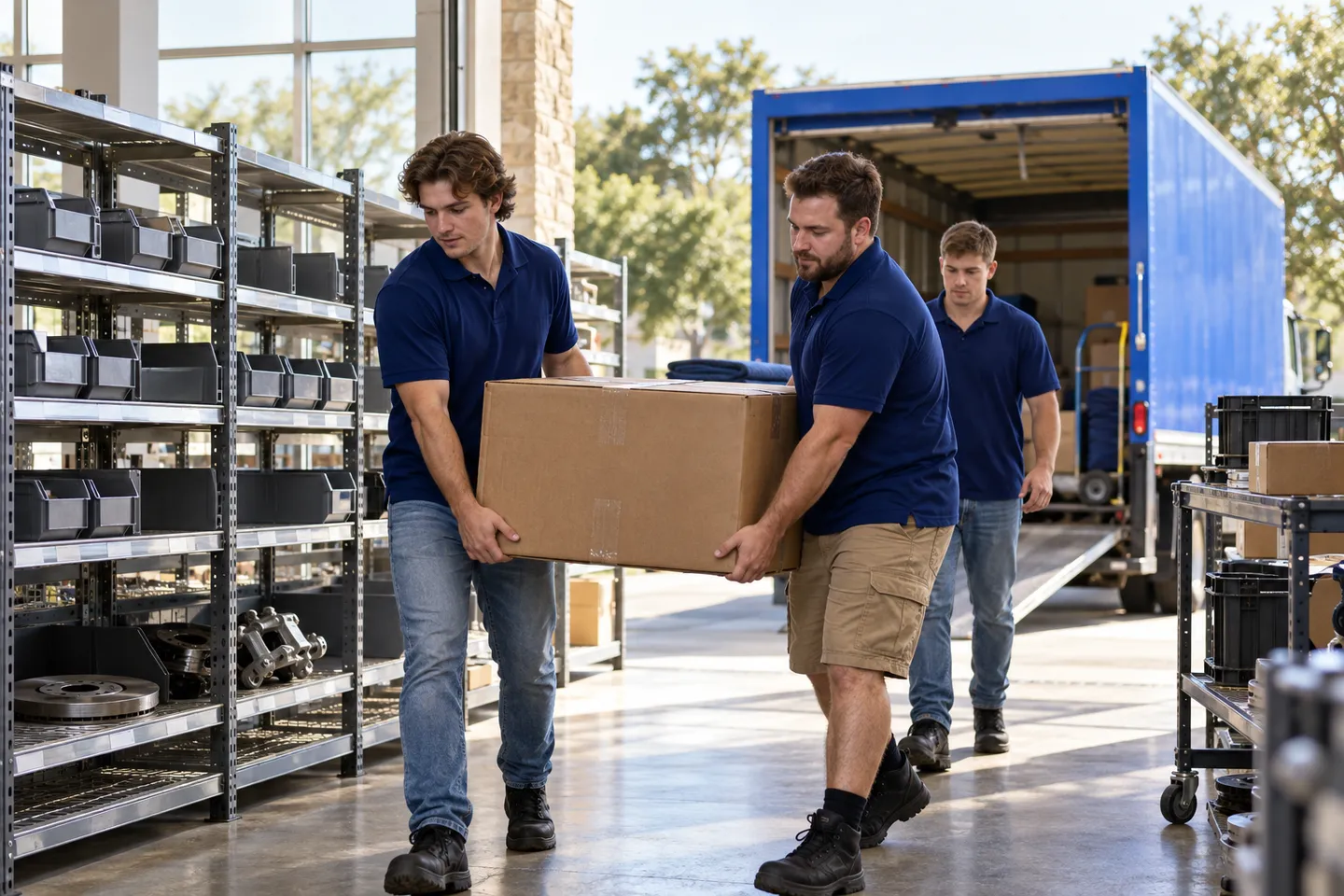
Auto Parts Store moving in San Antonio: moving crew at work
  • Licensed & Insured USDOT 3561425 · MC-1196218
  • 5.0 ★ Rated 500+ Google Reviews
  • San Antonio & Hill Country Kerrville · Boerne · Fredericksburg

Start your free auto parts store move quote

verified For estimate purposes only credit_card_off No credit card required

Planning a Auto Parts Store Move

An auto parts store can have the right stock in the new building and still struggle to fill an order if a rotor or sensor lands in the wrong bin. Your parts lead defines the old aisle and bin references, assigns destinations in the new layout, and decides which stock must remain available at the counter.

We use that map to move the physical inventory. Small loose parts are kept within their labeled bin groups; heavy cartons are sized for safe carrying and marked for low shelf positions. Freestanding bin shelving is emptied before it moves. We place the sections against your new layout before stock cartons arrive at those aisles. Your staff verifies quantities and stocks the bins.

The counter, receiving area, and back stock need their own release order, because shop customers keep calling for parts while the aisles come down. The parts counter is usually the last thing to close and the first thing we set at the new store.

Who usually signs off
Store owner or district manager, with the parts lead approving the location map and stock release
Timing that works
Set packing around counter sales, shop pickup orders, and supplier deliveries; discuss an evening or weekend slot for the final stock transfer.

What typically moves

  • Freestanding parts-bin shelving Empty sections are marked by aisle and run; loose shelves and dividers stay identified with the section they fit.
  • Brake rotors and drum cartons Dense stock goes into manageable cartons, each labeled with its destination aisle and bin rather than mixed into a general heavy-parts load.
  • Starters and alternators Boxed units remain grouped by the location reference your parts lead assigns, with heavier groups placed for low-shelf restocking.
  • Small fastener and sensor bins Loose contents are closed or bagged within each bin group so similar parts from adjacent locations do not merge.
  • Filter and belt stock shelves Light stock is carton-packed by bin reference; shelf labels are preserved for your staff to check against the new layout.
  • Parts counter and catalog workstations Movable counters and desk-level devices are labeled by station; your technology contact checks catalog access and payment setup.
  • Receiving tables and back-stock carts Movable fixtures are assigned to the new receiving area before incoming stock is routed there.

Access and scheduling

Your parts lead should mark the bins that must stay active for counter customers and shop pickup orders. We can pack back stock and cleared aisles first, then take the active bins when your team releases them. Your staff can pause or redirect supplier shipments and keep newly received goods separate from stock already counted for the move.

At each address we ask where the truck can stand near the receiving door. Bin shelving may fit through the storefront but not a narrow stockroom turn, so we measure the carry path. Tell us which door takes supplier freight. A shared retail center may set service-lane hours or require a Certificate of Insurance. Evening and weekend windows are available on request.
Protection and handling

Weight and location are the handling priorities. We keep rotors, drums, and other dense boxed parts in smaller loads for safe carrying. Carton faces show the destination aisle and bin. Small hardware stays in closed inner containers, separated by bin.

Once shelves are empty, we pad the freestanding frames and protect loose metal edges. Dividers, clips, and removable shelves travel with their marked section, then the frames go to the positions on your plan. The crew sets marked cartons near their destination sections, leaving your staff to verify counts and shelve individual parts. Counter terminals and receipt printers travel with the counter section they sit on, tagged by register position. Your technology contact restores catalog and payment access. Any shelving fixed to the building needs the property owner's approval and an installer to handle removal and refitting.

Who does what

Some of this job belongs to other trades. The written plan names each one.

Stock counts, part numbers, and the bin-location map
Your parts lead counts and reconciles stock, defines the destination for each old bin, and checks the final shelf placement. We pack and carry to the references supplied.
Wall-fixed or floor-anchored shelving
The property owner confirms what may be removed, and a shelving installer handles its anchors and refitting. Our crew moves released sections that are suitable for transport.
Catalog, payment, and supplier systems
Your technology contact or service provider restores connections and tests the systems. We handle the physical move of desk-level devices.

Not part of our work

  • Recounting or reconciling stock, assigning part numbers to bins, or choosing which products remain available for counter sales.
  • Removing or installing wall-fixed or floor-anchored shelving; arrange release and attachment work with the owner and shelving installer.
  • Receiving supplier shipments or checking them against purchase orders while the store is moving.

Around San Antonio and the Hill Country

San Antonio parts stores often sit on busy arterials such as Culebra, Military Drive, and Bandera Road, with a front lot that shop customers use all day. A moving truck there competes with them, so we use the spot where your supplier deliveries already stop. Dense stock and summer heat make early loading the safer plan between May and September.

The crew that shows up

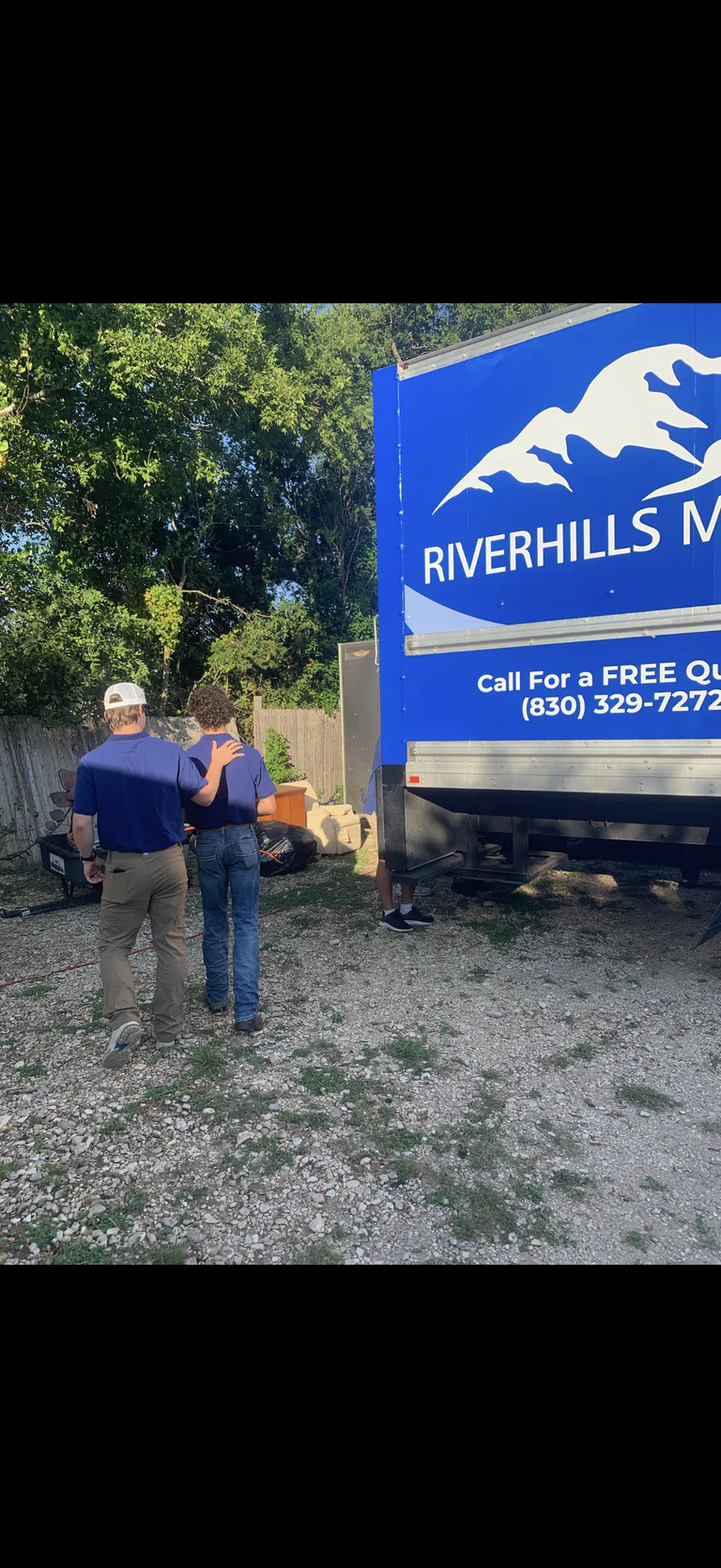
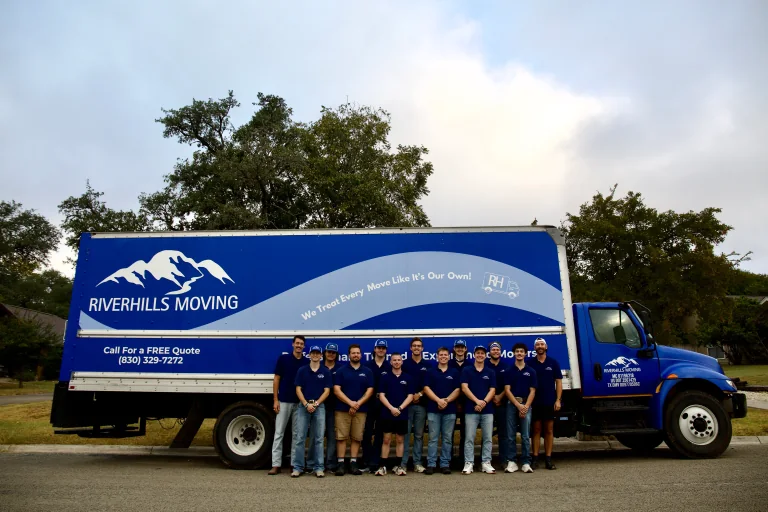
RiverHills Moving crew beside the company box truckRiverHills Moving crew standing together by the truckCrew shrink-wrapping furniture before loading

Auto Parts Store Moving FAQs

Another question? Call (830) 329-7272.

How do we keep similar small parts from neighboring bins separate?

Have your parts lead identify each source bin and destination. We can close the original bin inserts or bag their contents separately, then mark the outer carton with both references. Avoid combining adjacent fastener or sensor bins because their packages look alike. Your staff checks each group against the location list when stocking the new shelves.

Can heavy rotors and drums go back to their exact bin positions?

Give us the destination aisle and bin for each packed group and flag shelf positions for heavy stock. We size cartons for safe handling and place them beside the marked section, with labels facing out. Your parts team verifies part numbers and quantities before putting individual units on the shelf; we do not decide where a product belongs.

What if our new store changes the aisle and bin numbering?

Prepare a crosswalk from each old location to its new location and have the parts lead approve it before packing. We can carry both references on the label, helping the crew place cartons without guessing from product names. If the layout changes, your team updates the map and labels before that group loads.

When should we stop receiving supplier orders at the old store?

Your manager sets that cutoff with suppliers based on the ordering cycle. Goods arriving after the stock count can be held apart and recorded by your staff, or redirected if the new location can receive them. Identify the cartons in the moving inventory so new deliveries do not enter the load without a bin assignment.

Plan your business move

Tell us both addresses, the building rules you know about, and the dates you cannot move. We will send back a written plan and estimate.

Call (830) 329-7272

Mon–Fri 8 AM–6 PM · Sat 9 AM–4 PM · Sun Closed

Call Now call 830-329-7272