verified Request a move-specific estimate and review the written scope before booking.
Business & Professional Offices

Engineering & Architecture Firm Moving in San Antonio

Keep drawing sets in order, protect models and material samples, and coordinate the plotter with the technician who services it.

(830) 329-7272
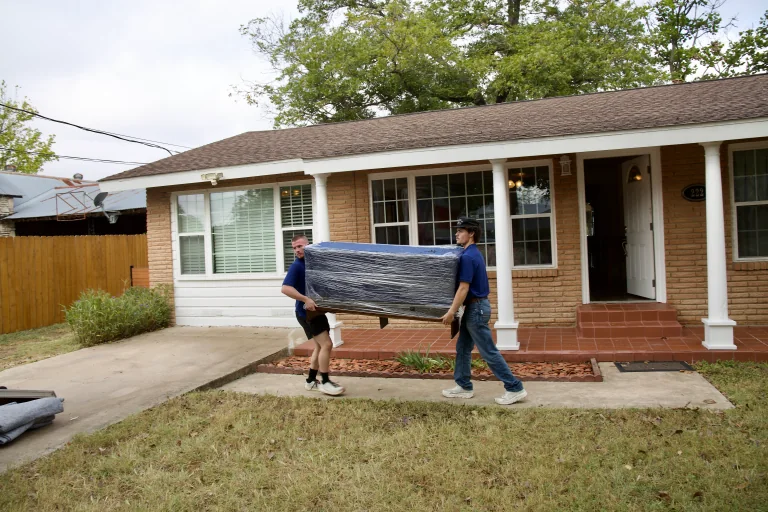
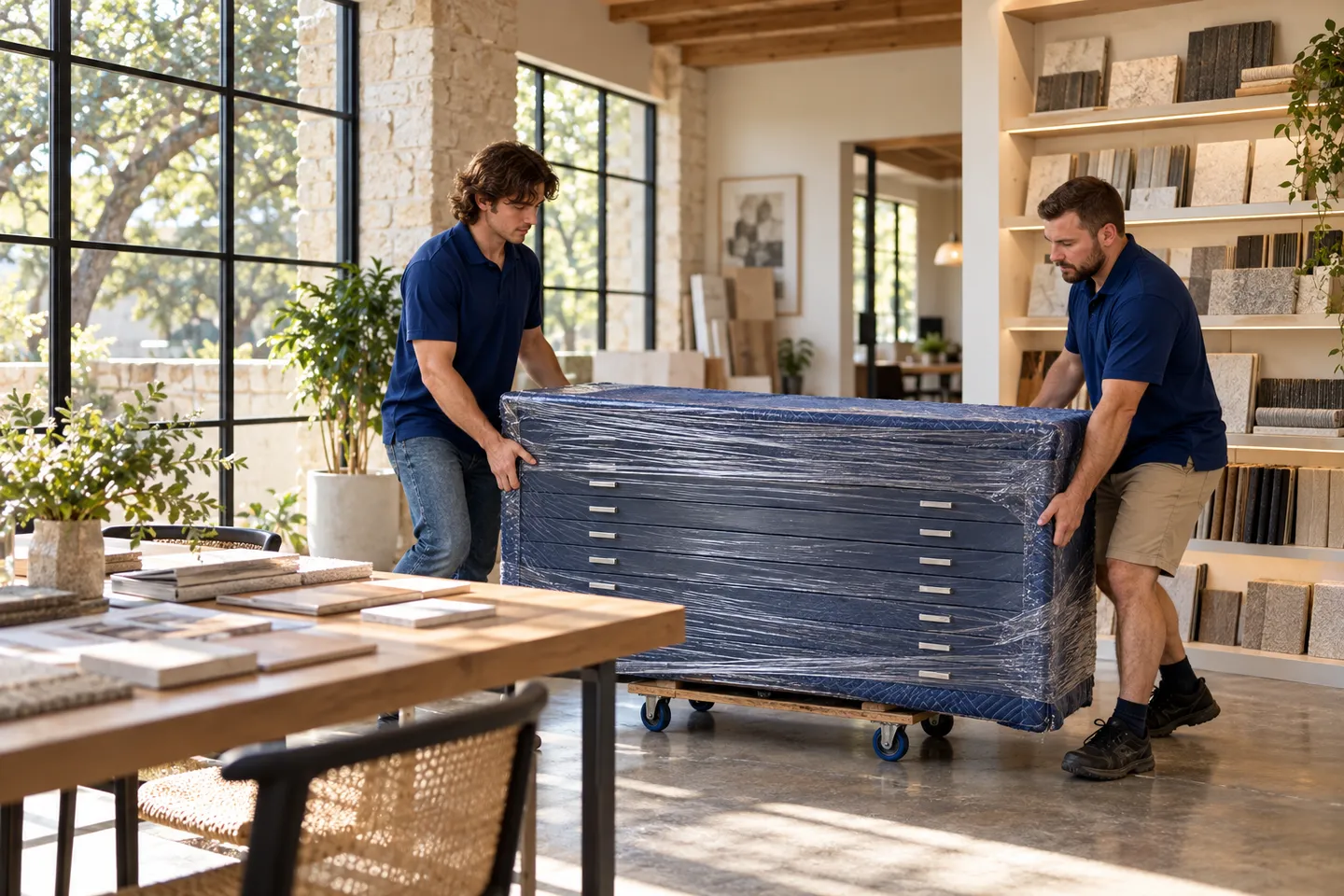
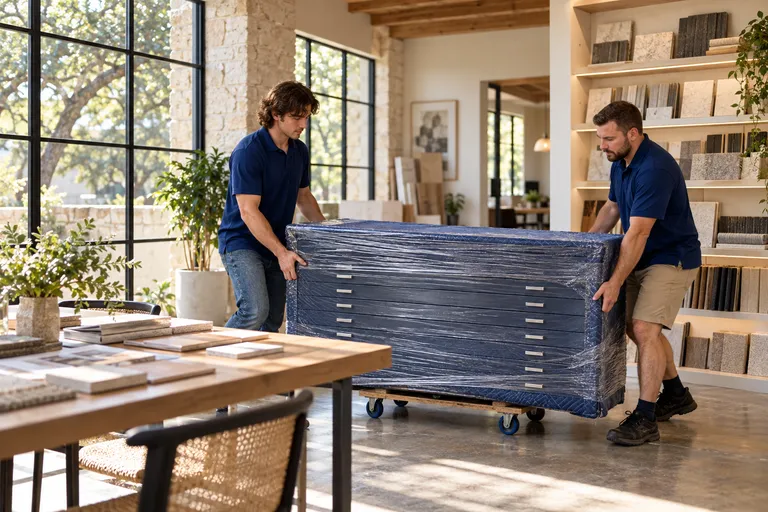
Engineering & Architecture Firm moving in San Antonio: moving crew at work
  • Licensed & Insured USDOT 3561425 · MC-1196218
  • 5.0 ★ Rated 500+ Google Reviews
  • San Antonio & Hill Country Kerrville · Boerne · Fredericksburg

Start your free engineering & architecture firm move quote

verified For estimate purposes only credit_card_off No credit card required

Planning a Engineering & Architecture Firm Move

An engineering or architecture studio has a working order that a floor plan cannot show. Current drawing sets may span flat-file drawers, pinup boards, and a table holding revisions under review. Models have delicate projections, and a sample library has an order that should reach the new space intact.

We start with your studio lead's map of what stays available through the last working session and what can be packed earlier. Each flat-file cabinet, drawer, model table, and sample run gets a destination. Your team identifies live drawings and delicate models; we plan the carry route and packing around that list. The plotter technician sets its preparation and setup requirements, while our crew handles the contents assigned to us. A move between San Antonio suites, or from the city toward Boerne and Kerrville, follows the same room and drawer map. For other workspace items, see our office moving service.

Who usually signs off
Studio operations manager or firm principal, with project leads choosing the drawing sets needed first
Timing that works
Work around submission dates, client presentations, and the studio's current drawing issue; ask about an evening or weekend window for the physical move.

What typically moves

  • Flat-file cabinets and plan drawers Drawer numbers and destination positions are recorded before contents are packed or secured under the studio's chosen plan.
  • Rolled plans and drawing tubes Your team identifies current sets; tubes and labeled bundles travel by project or destination rack, as you direct.
  • Model tables and freestanding workbenches We measure the route and note removable legs or tops before the tables leave the studio.
  • Physical presentation models and display bases Your model maker flags loose parts and chooses what needs its own support or enclosure before handling.
  • Material sample bins, boards, and binders Bins are labeled by the library's existing categories so finishes and specification references return to the intended bays.
  • Pinup boards and drawing racks Loose sheets come down in the order your project leads choose; racks are marked for their new wall or room.

Access and scheduling

A submission deadline can leave one project table active while the rest of the studio is ready to move. Tell us which drawings, samples, and models must remain available through the final review. We can move the packed library and unused tables first, then place active work near its destination area. Your team sets the release point for each project; we schedule around it without choosing the current revision.

Building access matters for wide flat files and long model tables. We check doorways, elevator depth, loading access, and the route into the new studio before deciding whether a table needs to come apart. If either building requires a Certificate of Insurance or a freight elevator reservation, share its rules early. An evening or weekend window may suit a busy review calendar, subject to building availability. The plotter technician's visit belongs on the schedule so the machine is prepared before transport and set up after placement.
Protection and handling

Flat-file drawers need a content plan before a cabinet is tilted or rolled. Your lead chooses whether sheets are removed into labeled flat cartons or secured in drawers when the cabinet permits. We record drawer order, protect cabinet edges, and place each cabinet where its drawers can open fully. Oversize sheets and presentation boards travel flat or in packaging your team approves.

Models need a separate conversation at the worktable. Your model maker points out projecting pieces, loose scenery, and safe lift points. We can pack and carry pieces once that plan is agreed, using supports or cartons matched to each model. Sample boards and binders are grouped by the library's categories. We pad table surfaces and protect the route through both buildings. The plotter technician determines preparation, transport instructions, and final setup; our crew follows the agreed handoff for any physical move.

Who does what

Some of this job belongs to other trades. The written plan names each one.

Plotter preparation and setup
Your plotter service technician gives transport instructions, prepares the unit as needed, and completes setup and testing. We can handle the physical move only as agreed with that technician.
Current drawing sets and model handling decisions
Your project leads identify live revisions and destination order; the model maker identifies fragile parts and approved lift points. We label, pack, carry, and place what they release.
Studio computers and shared digital systems
Our crew can unplug, label, carry, and plug in desk-level computers, monitors, and printers. Your IT contact handles shared systems, network access, and software setup.

Not part of our work

  • Selecting current plan revisions or deciding which drawings may be archived; your project leads make those calls.
  • Calibrating the plotter or confirming print accuracy after the move; the equipment technician checks it.

Around San Antonio and the Hill Country

A downtown San Antonio studio may need a dock and freight elevator reservation. An office along Loop 1604 or US-281 may have a shorter carry but a narrow entrance. Flat-file depth and model-table length matter in either setting. For a move toward Boerne, Kerrville, or Fredericksburg, we use the destination plan to place the drawing library and model area.

The crew that shows up

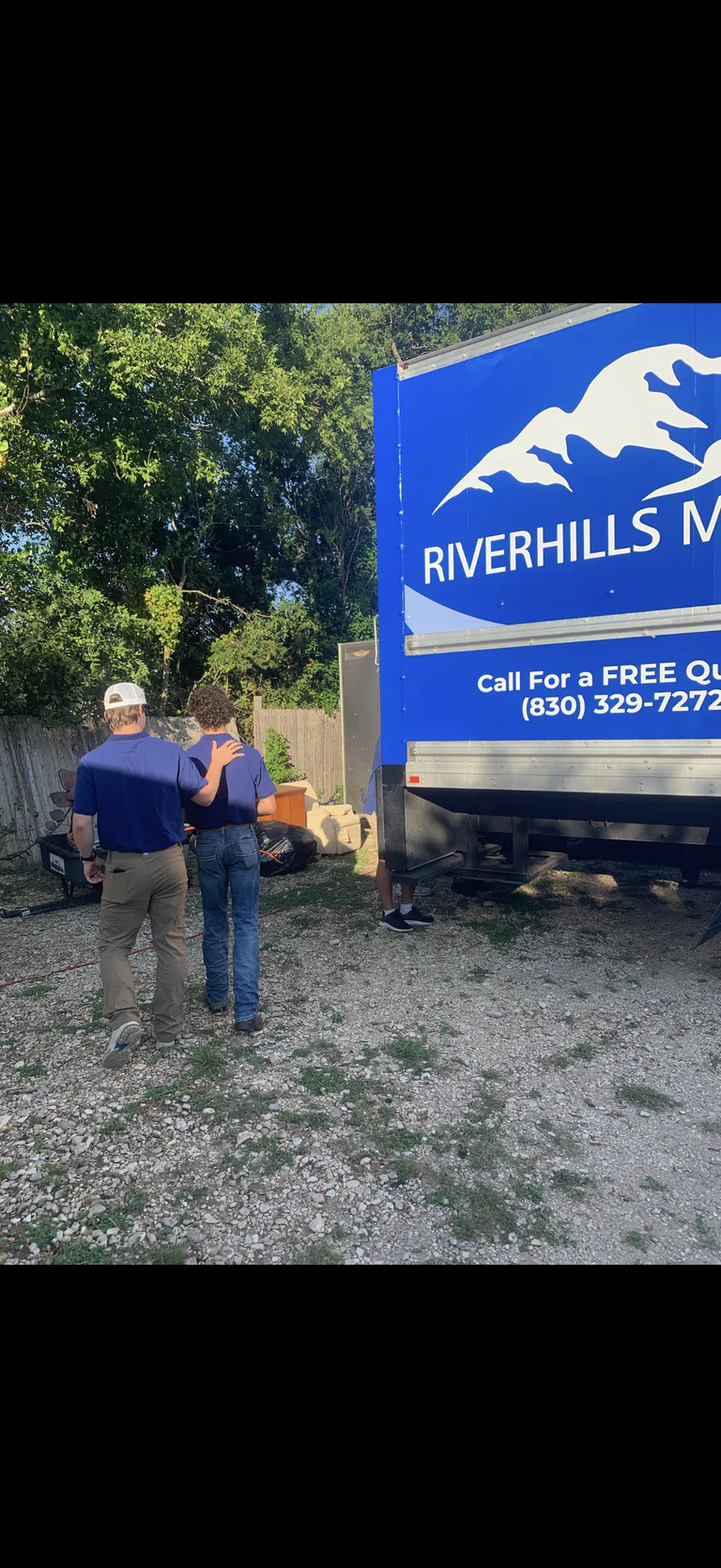
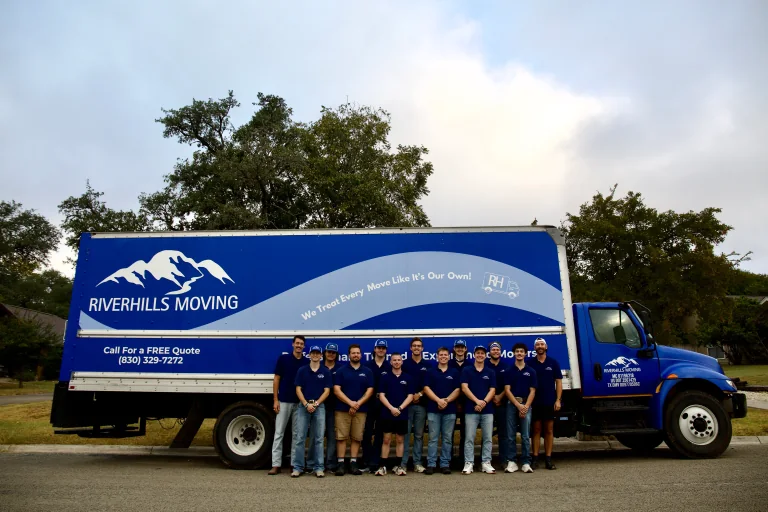
RiverHills Moving crew beside the company box truckRiverHills Moving crew standing together by the truckCrew shrink-wrapping furniture before loading

Engineering & Architecture Firm Moving FAQs

Another question? Call (830) 329-7272.

Can our current drawing set stay in use while the flat files are packed?

Yes. Your project leads can mark the active drawers and drawing tubes, then set a release point after the final review. We can pack the remaining drawers and sample bays earlier. Once released, the active set joins the agreed load sequence and goes where your team can find it.

Should large format plans stay inside the flat-file drawers?

That depends on the cabinet, drawer weight, and carry route. We inspect those conditions with your lead before choosing a method. Some sheets may need labeled flat cartons; other drawers can be secured under the agreed plan. Your team decides which drawing sets belong together and checks their order after placement.

Who prepares the plotter before an architecture studio move?

Ask the plotter technician for preparation and transport instructions. The technician can identify removable parts, positioning requirements, and a setup visit at the new studio. We coordinate the physical move after those instructions are clear. The technician handles setup and checks the output; your staff confirms placement in the new production area.

How do we keep model parts and finish samples with the right project?

Have your model maker flag fragile or detachable pieces, and have the library lead name the sample categories to preserve. We can label each enclosure, bin, and shelf destination from that map. At the new studio, model bases and sample bins go to their assigned areas for your team to inspect.

Plan your business move

Tell us both addresses, the building rules you know about, and the dates you cannot move. We will send back a written plan and estimate.

Call (830) 329-7272

Mon–Fri 8 AM–6 PM · Sat 9 AM–4 PM · Sun Closed

Call Now call 830-329-7272