verified Request a move-specific estimate and review the written scope before booking.
Education, Civic & Community

Library Moving in San Antonio & the Hill Country

Keep books in shelf order from the first cart to the last receiving bay, with your librarian directing the collection map.

(830) 329-7272
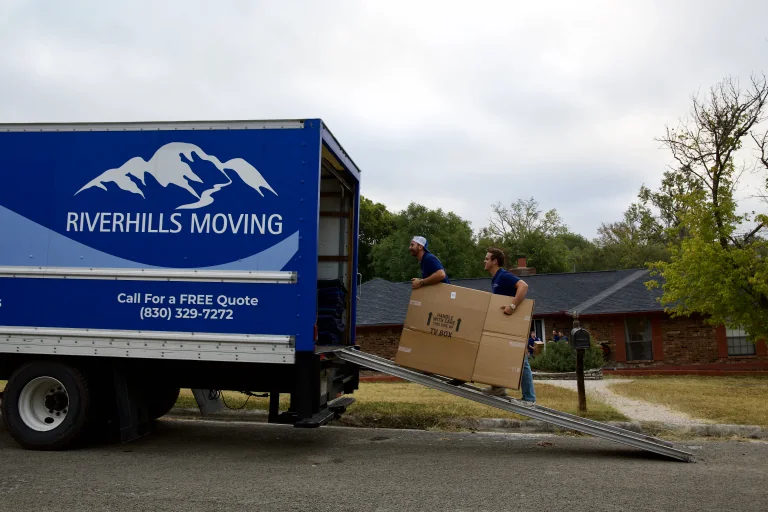
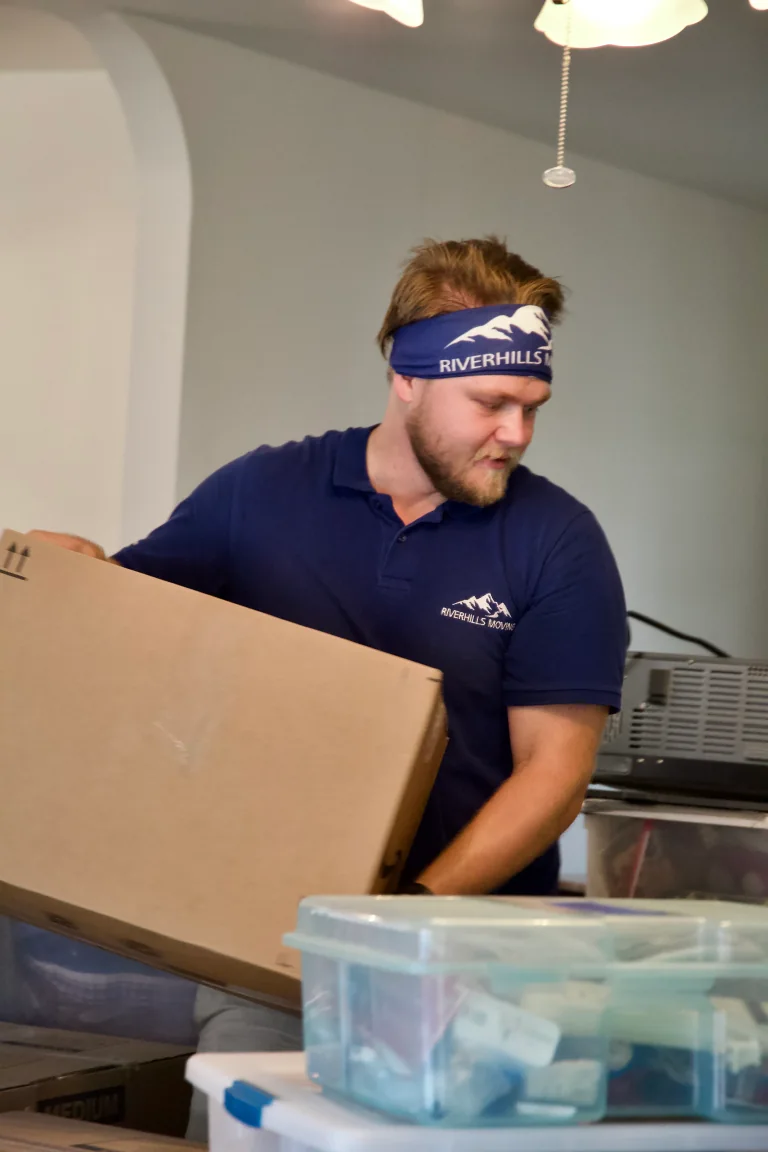
Stacked and labeled moving boxes ready for loading
  • Licensed & Insured USDOT 3561425 · MC-1196218
  • 5.0 ★ Rated 500+ Google Reviews
  • San Antonio & Hill Country Kerrville · Boerne · Fredericksburg

Start your free library move quote

verified For estimate purposes only credit_card_off No credit card required

Planning a Library Move

Every book in a library has an address, and the whole job is keeping it. Your librarian knows where a run begins, which volumes must stay together, and how the new bays will be assigned. We use that map to give each cart or carton a sequence label that carries its current section, shelf position, and destination. This lets the reading room receive books in a usable order, even with a different layout.

Book carts can keep a short run upright and in order if the route and loading plan allow it. Longer runs may need cartons filled shelf by shelf, with the first shelf marked before the next is cleared. We check cart widths, doorways, elevators, and receiving bays with your collection lead to choose carts or cartons. Your staff decides catalog order and withdrawals. Our crew packs, carries, and places the approved collection groups and movable fixtures.

Who usually signs off
Library director or facilities lead, with the collection manager approving the shelf map and receiving order
Timing that works
Plan around circulation pauses, school or campus breaks, public programs, and the date your librarian can release each collection area for packing.

What typically moves

  • Circulating book runs Volumes are grouped by the librarian's shelf map, then assigned sequence labels that point to the receiving bay.
  • Book carts and rolling bins Cart contents are secured for travel; each cart carries its section and destination before it leaves the aisle.
  • Reference shelves and atlas stands Heavy or oversize volumes are packed to suit their format, with their position recorded before the shelves are emptied.
  • Freestanding library shelving Empty units are padded and moved to the approved floor plan; shelf hardware stays with its own unit.
  • Periodical display racks Current issues and backfiles get separate location labels so the public display does not absorb the archive run.
  • Circulation counter and return bins Freestanding counter pieces and bins are marked for the service point that will receive them.

Access and scheduling

Circulation and public programs decide when an aisle can close. A school library may have a break to work within; a public branch may keep a reading area open while another section is packed. Your director sets the last lending date for affected shelves and identifies the sections staff still need to reach. We plan cart and carton order around those releases; ask about evening or weekend work.

The receiving building needs more than an address. We ask for a bay plan, approved cart route, loading entrance, elevator rules, and a place to stage the next sequence without blocking exits or patron paths. Narrow aisles and floor transitions can determine whether books travel on carts or in cartons. If the building requires a Certificate of Insurance, we can provide it for review. For an institution with purchasing requirements, your office handles its authorization process before the date is confirmed. One library contact resolves bay changes during unloading.
Protection and handling

We record the start and end of each shelf run on its cart or carton label before the next run is lifted. Each label carries the librarian’s section code, sequence, and receiving bay. Carts are loaded to keep volumes upright, then secured so they cannot roll or spill during transport. Where carts cannot pass, closed cartons preserve shelf order and show unloading directions.

Empty freestanding shelving is padded, with loose shelves and hardware kept beside the unit they came from. We protect door edges and floor turns along the approved route and place book loads near their assigned bays without covering active work areas. Your collection staff decides how rare, fragile, or restricted materials travel and handles any item it reserves for itself. A shelving supplier installs new fixed units; our crew follows the approved placement plan for movable units.

Who does what

Some of this job belongs to other trades. The written plan names each one.

Catalog order, bay assignments, and collection decisions
Your librarian maps the old shelf runs to new bays and decides what is withdrawn or held back. We label and place approved groups to that map.
New or fixed shelving systems
Your shelving supplier or facilities team installs and approves fixed units. We move emptied freestanding shelving and deliver book loads to released bays.

Not part of our work

  • Cataloging, weeding, or deciding a new classification order; those decisions remain with your library staff.
  • Packing rare or restricted collection items without the handling directions and release from your collection lead.

Around San Antonio and the Hill Country

A San Antonio library move may involve a busy public entrance downtown or a campus building near UTSA, where cart routes and access hours differ. Around Boerne and Kerrville, a smaller building can still have a tight receiving aisle or a shared loading door. We plan from the actual shelf and doorway measurements rather than the distance between addresses.

The crew that shows up

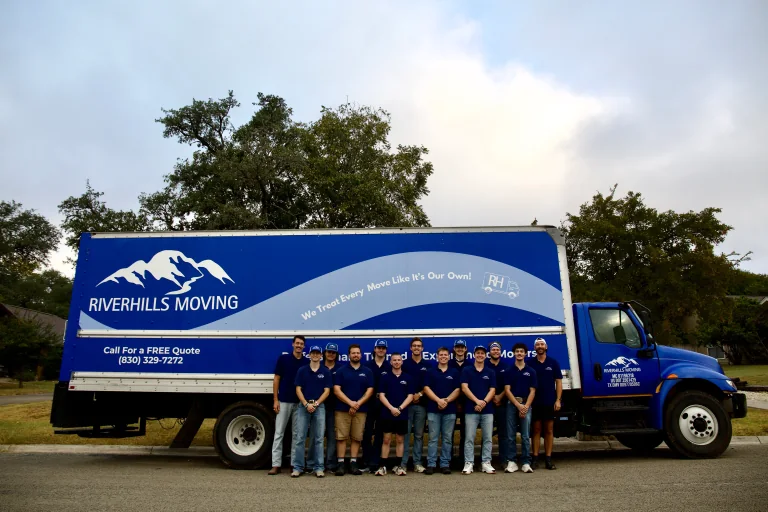
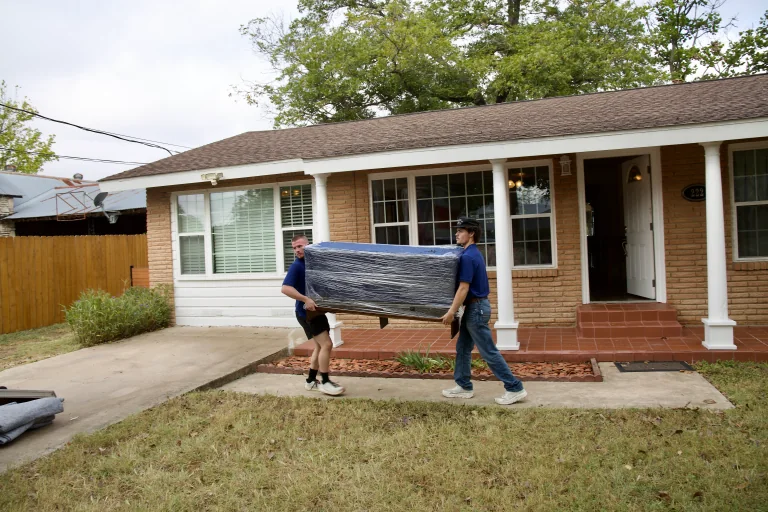
RiverHills Moving crew standing together by the truckCrew shrink-wrapping furniture before loadingCrew loading the box truck

Library Moving FAQs

Another question? Call (830) 329-7272.

How do you keep a library collection in shelf order during the move?

Your librarian gives us a shelf map with section codes and the new bay assignments. We mark the beginning and end of each run, then label carts or cartons in sequence before clearing the next shelf. At delivery, the crew stages each group at its assigned bay in label order. Library staff check the final shelf placement against their catalog plan.

Can filled book carts go directly from the old stacks to the new bays?

They can when the carts, doors, floors, and transport plan suit that route. We check widths, thresholds, elevator access, and how the carts can be secured before choosing that method. If a run must be boxed, we pack it in shelf sequence and label the cartons to the same bay map. Your librarian can identify the runs that should stay together.

What happens when the new library has fewer or differently sized shelves?

Your librarian or shelving supplier should settle the new bay plan before books are labeled for travel. We can measure the movable units and compare the proposed receiving areas with the route, then flag a mismatch before packing. Library staff decide whether a section shifts, is held back, or needs another location. We update the sequence labels only after they approve that choice.

Can circulation continue while some library aisles are being moved?

That depends on the space your library can release and the route it can keep clear for patrons. Your director chooses which shelves close and when returns and holds stop feeding those sections. We can plan work by collection area and stage carts away from active paths. Staff remain responsible for lending decisions and for telling patrons which areas are available.

Plan your business move

Tell us both addresses, the building rules you know about, and the dates you cannot move. We will send back a written plan and estimate.

Call (830) 329-7272

Mon–Fri 8 AM–6 PM · Sat 9 AM–4 PM · Sun Closed

Call Now call 830-329-7272