verified Request a move-specific estimate and review the written scope before booking.
Commercial Service

Commercial Crating in San Antonio

Crates sized to the item and the route, with your equipment vendor or collection lead setting any special packing instructions.

(830) 329-7272
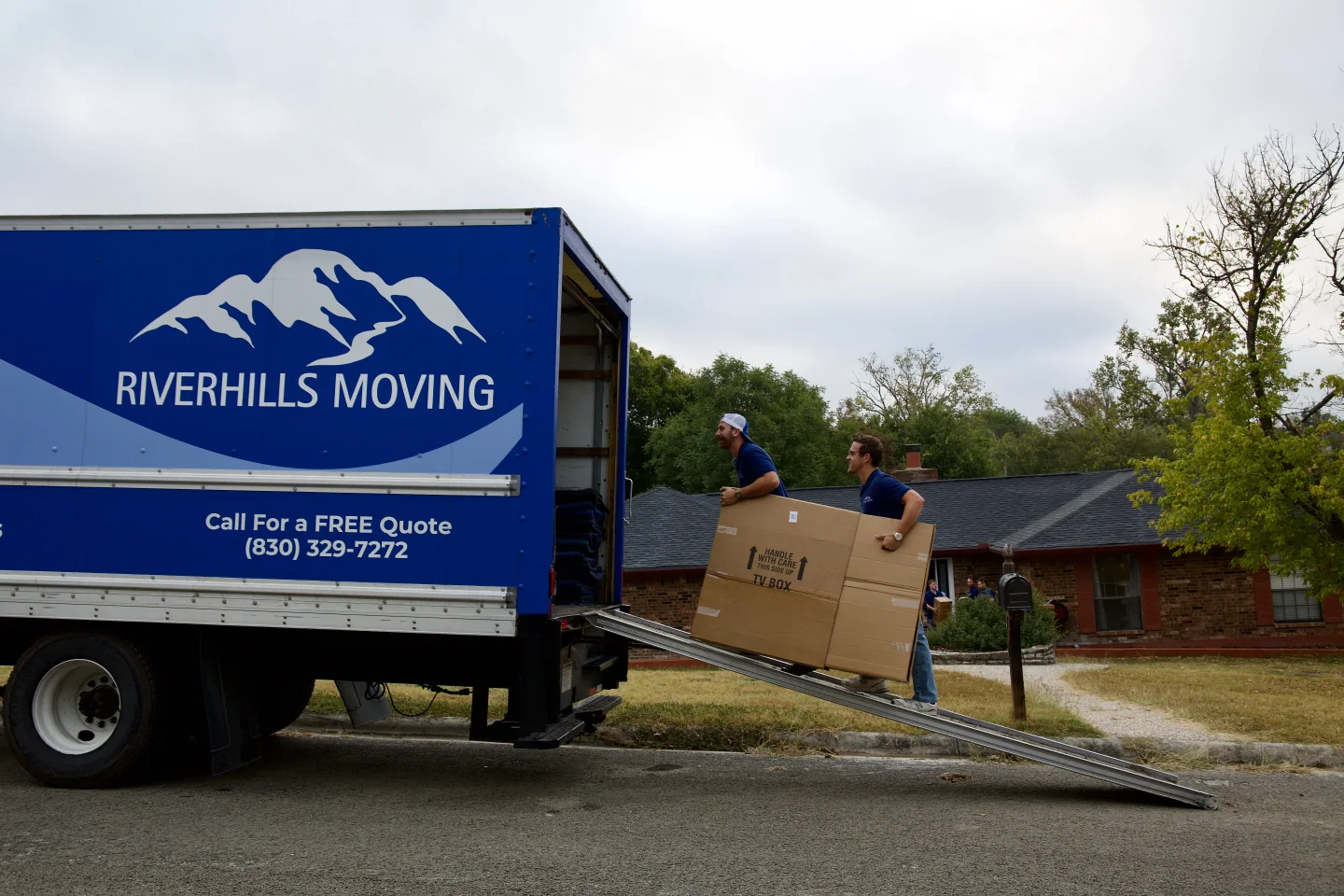
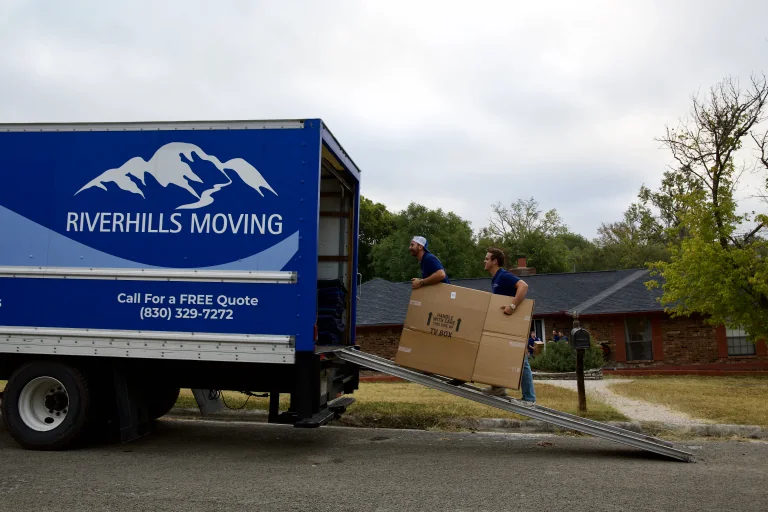
RiverHills Moving crew loading a box truck
  • Licensed & Insured USDOT 3561425 · MC-1196218
  • 5.0 ★ Rated 500+ Google Reviews
  • San Antonio & Hill Country Kerrville · Boerne · Fredericksburg

Start your free commercial move quote

verified For estimate purposes only credit_card_off No credit card required

How We Plan Commercial Crating

A crate has to solve two problems at once: protect the object inside and pass through the doors it must travel. For a commercial move, those objects may be a freestanding instrument, a delicate display component, a framed work, or an exhibit part that has to meet its installation team at the other end.

We start with an item list and a walk-through. Your lead identifies what needs a rigid enclosure, its removable parts, its required orientation, and where it will be opened. We measure the item and the carry path before planning a custom wood crate through our crating service. Cushioning and bracing follow the item's shape and the instructions supplied by its owner or vendor. The crate is marked for its destination and opening direction, while small approved components are packed with a clear reference to the parent item.

You decide which objects need a crate; we plan the physical packing and transport around that list.

Who usually signs off
Facilities lead, exhibit coordinator, or business owner who approves the item list and packing directions
Timing that works
Set measurements before the equipment release or exhibit teardown; reserve crate preparation and pickup around the receiving site's access window.

What typically moves

  • Freestanding instruments and equipment housings The equipment vendor supplies transport position and preparation requirements before we size a crate around the released unit.
  • Exhibit modules and removable case parts Crates can group labeled components by installation position while keeping delicate faces away from hardware.
  • Fabricated display panels and prototypes Edges, protruding details, and finished surfaces guide padding and the crate's internal clearance.
  • Framed art and display graphics Your collection lead specifies handling and orientation; the crate is sized to the approved protective wrap.
  • Glass shelves and removable glazing The display maker gives removal instructions; individual panels are identified to the case or fixture they came from.
  • Sculpture bases and dimensional exhibit pieces We check the object's footprint and stable contact points before deciding how it sits inside a crate.

Access and scheduling

Measurements come before lumber. We ask for the item dimensions, photographs of vulnerable faces, manufacturer guidance where available, and the date each piece will be released for packing. If a display is still installed or equipment is still in use, its owner or vendor determines when it can be made ready.

We also trace the finished crate, not just the bare object, from its room to the truck and into the receiving space. Tell us about door widths, turns, lift capacity, dock reservations, and any building rule for saws or packing materials. An exhibit hall or office tower may require a Certificate of Insurance and a booked loading window. Ask about access outside public hours. At delivery, your receiving lead identifies where each closed crate should be placed so installers can open it in the intended order.
Protection and handling

We measure the released item, identify the surfaces that cannot carry weight, and plan a wood enclosure with cushioning and bracing suited to that shape. The crew then moves the closed crate along the checked route and places it in the receiving area.

The specification comes from the person responsible for the object. An equipment vendor may require a particular transport position or removal of an attachment, and your staff arranges that preparation. A curator, artist, or conservator may direct the wrap for a work and decide who may pack it. We can build around those directions and handle a released piece; we do not substitute our judgment for calibration instructions or collection care. Your receiving team opens, checks, and installs the contents unless a separate arrangement is made with the responsible vendor.

Who does what

Some of this job belongs to other trades. The written plan names each one.

Instrument preparation and return to service
Your equipment vendor identifies transport requirements, removes sensitive attachments, and handles calibration at the destination. We size and move the crate around the unit they release.
Artwork packing approval and condition decisions
Your curator, owner, or conservator sets the packing method and examines the work. We can crate and carry it after they approve the directions and release it.
Powered display connections and mounted components
Your display contractor removes fixed components, and a licensed electrician handles hard-wired connections. We crate the released parts according to their packing instructions.

Not part of our work

  • Calibrating equipment or deciding which internal components are safe for transport; the equipment vendor makes those calls.
  • Assessing art condition, conservation treatment, or approving a lender's packing specification; the collection's responsible party retains those decisions.
  • Opening a crate and installing its contents at the destination unless that placement is included in the agreed moving scope.

Around San Antonio and the Hill Country

Crated pieces in San Antonio often come from museum and gallery spaces near downtown and the Pearl, trade-show exhibits at the convention center, and lab instruments around the South Texas Medical Center. Each exit differs: a freight elevator with a fixed door height, a convention dock with booked slots, or a lab corridor with tight turns.

The crew that shows up

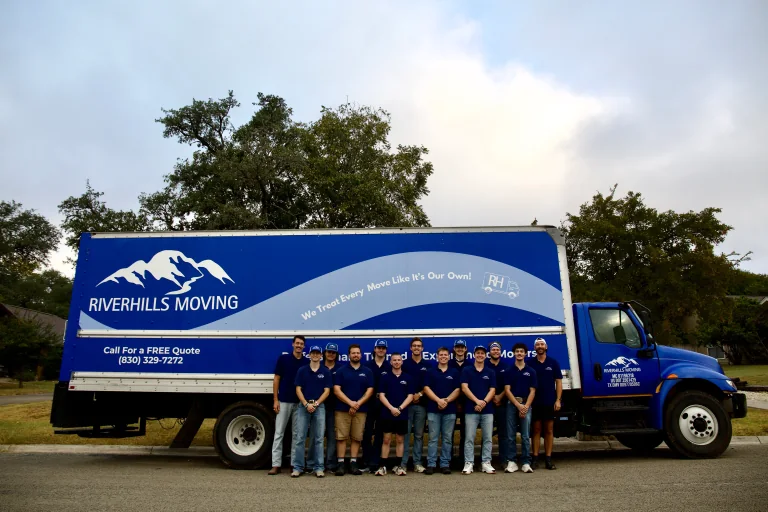
RiverHills Moving crew beside the company box truckRiverHills Moving crew standing together by the truckCrew shrink-wrapping furniture before loading

Commercial Crating FAQs

Another question? Call (830) 329-7272.

What do you need before sizing a crate for our instrument?

Send the model's outside dimensions, photographs, and any transport instructions from its vendor. We also need to know whether handles, probes, or other attachments come off before packing. The vendor prepares and releases the instrument; then we measure the transport-ready shape and check whether the finished crate can pass through both buildings.

Can several exhibit components share a custom crate?

Possibly, if their shapes and handling instructions allow separate cushioning and a clear unpacking order. Give us the installation map and identify any component that cannot touch another surface or must stay upright. We can then plan compartments or separate crates. Keeping fasteners and fittings labeled to their parent component helps the installation team rebuild the exhibit.

Who approves the crate design for a loaned artwork?

Your curator or lender decides the packing method and any required orientation. Share those written directions before we prepare the crate, along with the approved wrap and the person authorized to release the piece. If a conservator is assigned to pack it, we plan the enclosure and carry around that work, then leave opening and inspection to your receiving team.

Will a crated display fit through the destination's service entrance?

We check that before the crate dimensions are finalized. Provide the receiving door width, tight turns, elevator opening, and any loading rules. A crate adds material outside the item's own dimensions, so a display that fits bare may need to travel in sections. Your display contractor confirms how it may be taken apart; we size crates for the released pieces.

Plan your business move

Tell us both addresses, the building rules you know about, and the dates you cannot move. We will send back a written plan and estimate.

Call (830) 329-7272

Mon–Fri 8 AM–6 PM · Sat 9 AM–4 PM · Sun Closed

Call Now call 830-329-7272